
By Sammy Mungai and Vilivians Ochieng
The County Government of Nakuru is strengthening access to quality healthcare by implementing the Integrated Specimen Referral System (ISRS), an initiative that is set to bring laboratory diagnostic services closer to communities.
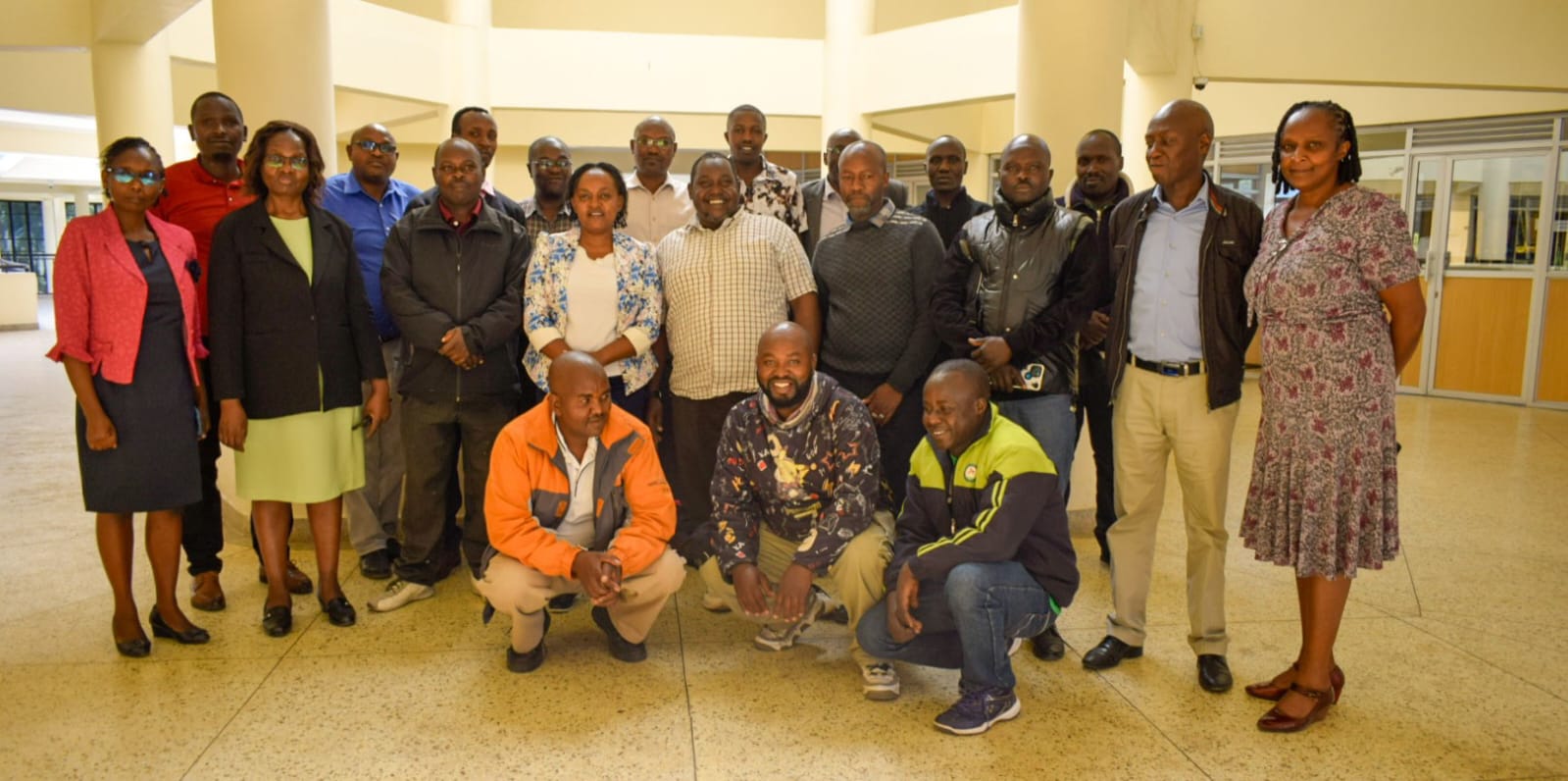
As part of the implementation process, the Department of Health convened designated motorcycle riders and Sub-County Laboratory Coordinators for a sensitization programme on the operational plan that will guide the rollout of the system across the county.
The Integrated Specimen Referral System is a coordinated network that enables laboratory specimens collected at lower-level health facilities to be safely transported to higher-level laboratories for specialised testing before results are returned to the originating facilities.
Instead of referring patients to distant hospitals for laboratory investigations, the system transports the specimens. Samples moved through the network include blood, sputum, urine, stool, cervical swabs and other diagnostic specimens required for disease diagnosis, disease surveillance, treatment monitoring and public health interventions.
To pilot the programme, Nakuru County has selected Nakuru Town West Sub-County to represent the urban setting and Subukia Sub-County to represent the rural setting. The lessons learnt from the two pilot sites will inform the gradual expansion of the programme to the remaining sub-counties.
The County Executive Committee Member for Health, Hon. Roselyn Mungai, has underscored the importance of the Integrated Specimen Referral System in strengthening healthcare delivery, noting that the initiative will minimise delays in laboratory testing, improve patient management and enhance health outcomes, particularly for underserved populations and residents of rural areas.
The system is expected to reduce unnecessary patient referrals by ensuring that specialised laboratory services are accessible through local health facilities.County Chief Officer for Health Services Dr. Daniel Wainaina commended the County leadership, development partners and all stakeholders for their continued support in developing the operational plan.
He noted that the collaboration reflects the county’s commitment to building a stronger, more efficient and patient-centred healthcare system capable of delivering timely and reliable diagnostic services.County Medical Laboratory Coordinator Mr. Musa Ramadhan described the initiative as a major milestone that effectively brings the diagnostic capacity of Level 5 hospitals closer to patients seeking care at dispensaries and health centres.
He explained that by transporting specimens instead of patients, the county will reduce travel costs, save time, ease congestion at referral facilities and enable patients to receive quality diagnostic services while remaining within their local communities.The sensitization programme equipped motorcycle riders with practical skills on the safe identification, packaging, labelling and transportation of biological specimens in accordance with national standards.
Participants were also introduced to the digital specimen tracking system, which enhances accountability, improves turnaround time and ensures that every sample is monitored from the point of collection to the testing laboratory and back to the originating health facility.The training was facilitated by Mr. Simon Tanui, the County ISRS Coordinator based at the Nakuru County Referral and Teaching Hospital. The programme is being implemented by the County Government of Nakuru in partnership with Tujenge Jamii, reinforcing the county’s commitment to strengthening laboratory systems and expanding access to quality healthcare services at the grassroots.